
eco-friendly ways to produce wood panel textures
In today’s eco-conscious world, the demand for sustainable materials has increased across various industries, including the field of interior design. Wood panel textures, traditionally crafted from natural wood, have evolved into more environmentally friendly options. With the rising awareness of deforestation and the environmental impact of traditional wood products, manufacturers are turning to more eco-friendly alternatives to produce wood panel textures.
One of the most popular eco-friendly methods for producing wood panel texture involves using recycled materials. Recycled wood fibers are increasingly being incorporated into wood panel textures, providing a sustainable solution that reduces waste and conserves natural resources. By repurposing wood that would otherwise be discarded, manufacturers can create high-quality panels that maintain the aesthetic of traditional wood while minimizing the environmental footprint. These panels can be used in a variety of applications, from residential to commercial spaces, providing the look and feel of natural wood with less impact on the environment.
Another eco-friendly alternative is the use of sustainable wood sourcing. Many wood panel textures are now being made from timber harvested from certified sustainable forests. This means that the wood is sourced from areas where trees are replanted to replace those that are cut down, ensuring that the forest remains healthy and productive. By choosing wood panel textures made from sustainably sourced timber, you can enjoy the beauty of natural wood while contributing to the preservation of global forests. Programs such as the Forest Stewardship Council (FSC) certification ensure that the materials used in these products are traceable and come from responsibly managed forests.
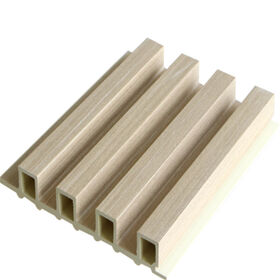
Are there eco-friendly ways to produce wood panel textures?
In addition to sustainable wood, there are growing trends toward using alternative materials to produce wood panel textures. For instance, bamboo is an increasingly popular choice for eco-friendly wood panel textures. Bamboo grows rapidly and requires far fewer resources than traditional hardwood trees, making it a sustainable and renewable option. Bamboo wood panel textures offer the same visual appeal as traditional wood but with less environmental impact. Furthermore, bamboo is known for its strength and durability, making it a practical choice for wall coverings in both residential and commercial applications.
For those seeking a more synthetic, yet still eco-friendly option, PVC-based wood panel textures are gaining popularity. PVC (polyvinyl chloride) panels are made from recycled plastic materials and can mimic the appearance of real wood without the associated environmental concerns. While PVC is not a natural material, modern manufacturing techniques have made it possible to create highly durable, low-maintenance panels from recycled plastics. PVC wood panel textures are often designed to be resistant to water, mold, and stains, ensuring long-lasting performance without the need for frequent replacements. Additionally, these panels are lightweight and easy to install, making them a cost-effective and eco-friendly solution for interior design projects.
The growing trend towards eco-friendly practices is not only beneficial for the environment but also for businesses. Manufacturers and designers now have access to wholesale wood panel texture options that are both stylish and sustainable. Online platforms like Global Sources allow consumers to easily search for eco-friendly wood panel textures from verified wholesalers and manufacturers around the globe. By shopping for wood panel textures from countries like China, India, and Korea, buyers can find materials that meet their design requirements while adhering to sustainability standards. The platform’s B2B approach makes it easy to compare prices and strike deals with trusted suppliers, ensuring access to high-quality, eco-friendly products.
In conclusion, there are numerous eco-friendly ways to produce wood panel textures, including the use of recycled materials, sustainable sourcing, alternative materials like bamboo, and innovative synthetic options like PVC. As the demand for sustainable design continues to grow, manufacturers are embracing these solutions, providing consumers with stylish, durable, and environmentally responsible products. Whether you’re sourcing wood panel textures for residential or commercial use, there are more options than ever to choose from, ensuring that your design choices reflect your commitment to sustainability. Online platforms like Global Sources make it simple to access a wide range of eco-friendly wood panel textures, so you can create beautiful, environmentally conscious spaces with ease.