
lifespan of a rigid flex board
Rigid flex PCBs offer an excellent solution to many complex electronics applications, especially those that require high-quality mechanical performance and durability. These rigid-flex circuit boards have both rigid and flexible sections that are encased in a rigid base, eliminating the need for cables and connectors. In addition, they can also withstand harsh environments like shock and vibration. However, these unique PCBs have their own set of challenges that need to be considered before making a decision to use them.
The lifespan of a rigid flex board depends on the environment, assembly conditions, and material quality. To ensure that a rigid flex board will last, the designer must take into account all of these factors and design accordingly. In this article, we’ll take a closer look at the lifespan of a rigid flex board and ways to improve its longevity.
When it comes to choosing a rigid-flex PCB, the design process starts with the choice of materials. There are many options to choose from, including traditional rigid and flexible PCBs, as well as hybrid designs that combine both rigid and flex. rigid flex board are ideal for applications that require both flexibility and structural integrity, such as medical devices and automotive technology. However, they are not appropriate for consumer products or high-frequency, high-mechanical stress, or high temperature applications.
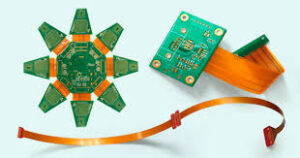
What is the lifespan of a rigid flex board?
Whether you are designing a new device or upgrading an existing one, rigid-flex PCBs can add significant value to your product by increasing reliability and functionality. These flexible circuits can be designed to accommodate a variety of unique shapes and sizes, which helps reduce the overall weight and size of the product. They can also save space by minimizing the number of solder joints. Additionally, rigid-flex PCBs can withstand harsh environments, such as vibration and shock.
In addition, rigid-flex PCBs can provide better heat dissipation than other types of PCBs, which can help prevent overheating and component failure. Therefore, they are often used in critical industries, such as aerospace and defense.
Rigid flex PCBs are also an excellent choice for foldable or portable electronic products, such as smartphones and wearable technology. They can help maximize space and minimize weight, while improving mechanical performance and enhancing electrical performance. Additionally, rigid-flex PCBs eliminate the need for cables and connectors, which can lead to connection issues.
The lifespan of a rigid-flex PCB depends on a number of factors, including the design and construction, manufacturing and storage conditions, and environmental factors. To ensure that your rigid-flex PCB will last, it’s important to choose the right materials and work closely with manufacturers. This will help ensure that your rigid-flex PCB is able to withstand the test of time and will continue to deliver superior performance for years to come. To learn more about the advantages of rigid-flex PCBs, contact us at All Flex Solutions today! We will be happy to discuss your specific application and design requirements. We can even help you select the best material for your rigid-flex PCBs.